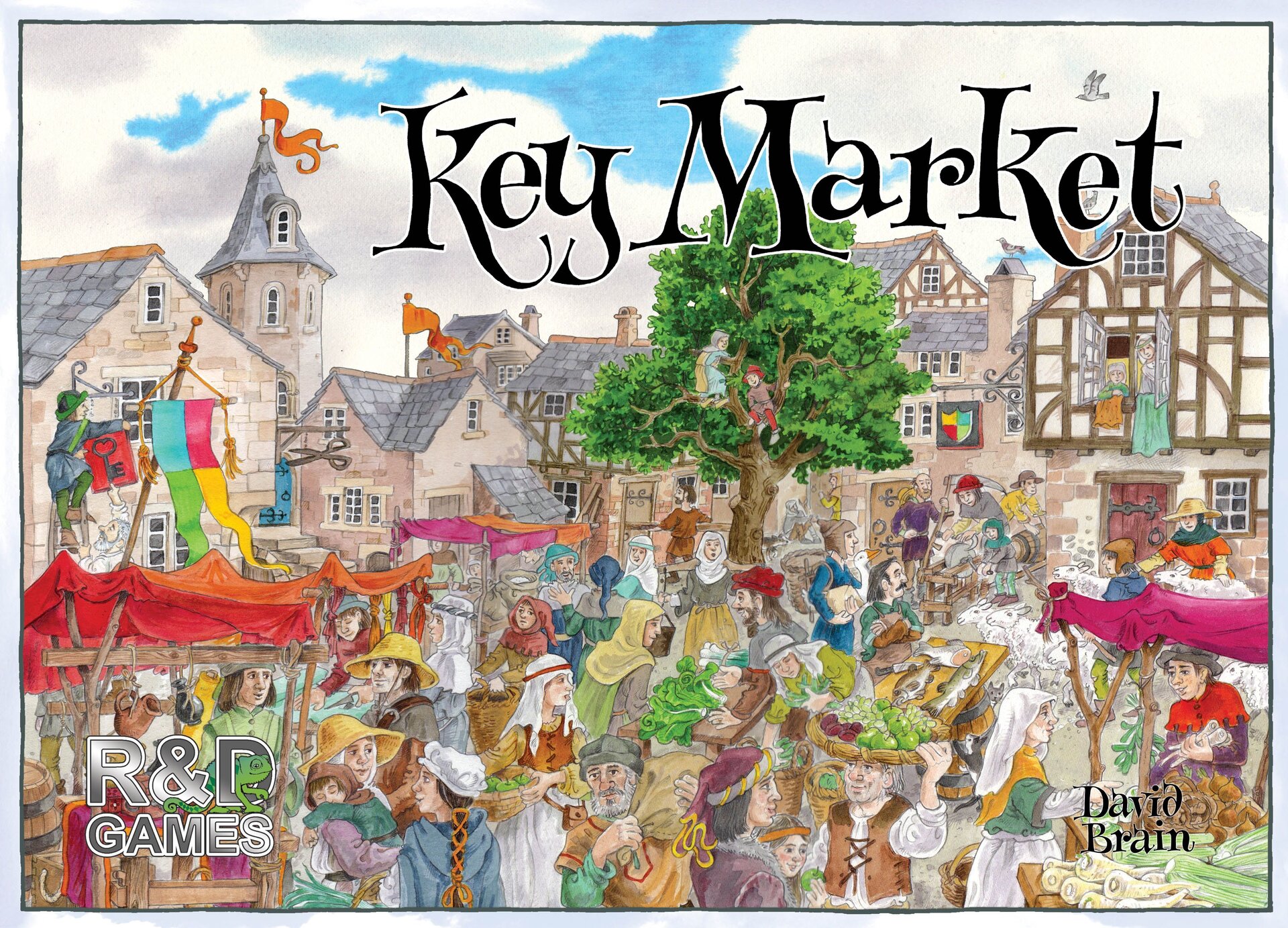
If you enjoy medieval economic games with a good dose of strategy and worker placement, Key Market will win you over! It's a dense game, but it rewards those who dedicate themselves to understanding its mechanics.
- Deep economic management
- Dynamic modular board
- Strategic worker placement
- Unique guild combinations
- Non-obvious strategies
- Initial learning curve
- Subtle market interaction
About the game
What you do in a play session
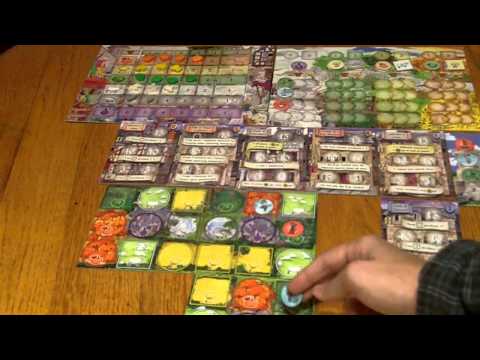
Actions are guided by worker placement, and hand management is crucial for optimizing your moves. Don't forget the market: buying and selling goods is essential, and whoever knows how to use it to their advantage will get ahead. Oh, and there's more: you can sponsor new workers to join powerful guilds, where they can become craftsmen or even masters. Turn order changes each season, so stay sharp! Ultimately, the player who accumulates the most gold wins.
Key Market is a game with a more strategic and in-depth feel. Some tactics, especially those related to the market and guild combinations, might not be immediately obvious. But for those who enjoy a challenging medieval economic management game, with a touch of worker placement and area control, this one delivers. It's a game that requires a bit of dedication to uncover all its layers, but the reward is a very satisfying experience full of interesting decisions.
Gallery
Box and component photos
Tap any photo to open fullscreen. Photos submitted by the community or publisher.
Rules videos
Learn by watching before you open the box

Best player count
BGG community vote
Soundtrack
Ambience suggested by Melodice
Where to Buy
Prices monitored daily
Price history — last 6 months (lowest new offer)
As an Amazon Associate I earn from qualifying purchases. Prices and availability subject to change.
Alert enabled!
Join the BoardGamesBot deals group
Get the best board game deals every day — without message spam.
Join the WhatsApp groupGame details
Mechanics, categories, families and credits
Mechanics
Categories
Families
Community
Data from BoardGameGeek
Frequently Asked Questions
Quick answers before you buy
What is the average playtime for Key Market?
How many players can play Key Market?
Is Key Market a complex game?
Do I need to know English to play?
It's part of the Key series, but can I play it without knowing the others?
What type of player is Key Market recommended for?
Other Games You'll Like
Based on mechanics and theme