Patchwork
Lookout Games, 999 Games, asmodee · Board game · 2014What do you want to do now
Ask anything about Patchwork: rules, setup, components, complexity, price, or whether it fits your group.
Patchwork is a delightful two-player abstract strategy game perfect for those who enjoy spatial puzzles and efficient resource management, offering a surprisingly deep experience in a small package.
- Engaging spatial puzzle gameplay
- Clever time and button economy
- High replayability with variable setup
- Excellent two-player only experience
- May feel too abstract for some
- Limited player interaction
About the game
What you do in a play session
Expansions
Published additional content
Gallery
Box and component photos
Tap any photo to open fullscreen. Photos submitted by the community or publisher.
Rules videos
Learn by watching before you open the box
In English
-
 Patchwork - In Focus
-
 Learn How To Play Patchwork in 6 minutes
-
 Patchwork - Part 2: board game tutorial
-
 How to Win Patchwork
-
 Patchwork Learn to Play
-
 Patchwork: Christmas Edition - A Board Game Peek
-
 How to Play Patchwork (Halloween Edition)
-
 PATCHWORK - How To Play & Full Gameplay (2020)
-
 How To Play Patchwork Christmas Edition
-
 How to Play Patchwork | Complete Game Rules in 6 Minutes
-
 Patchwork - How to Play in 3 minutes - BoardgameNinja
-
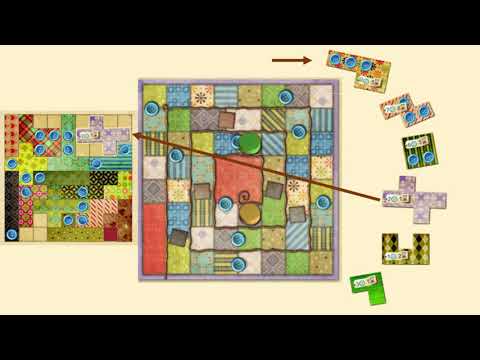 Patchwork I: Introduction
Rules manual
Official PDF file
Best player count
BGG community vote
Soundtrack
Ambience suggested by Melodice
Where to Buy
Prices monitored daily
Price history — last 6 months (lowest new offer)
As an Amazon Associate I earn from qualifying purchases. Prices and availability subject to change.
Alert enabled!
Join the BoardGamesBot deals group
Get the best board game deals every day — without message spam.
Join the WhatsApp groupGame details
Mechanics, categories, families and credits
Mechanics
Categories
Families
Community
Data from BoardGameGeek
Frequently Asked Questions
Quick answers before you buy
How many players can play Patchwork?
What is the average playtime for Patchwork?
What is the complexity level of Patchwork?
What are the main components of the game?
Who is Patchwork recommended for?
Does Patchwork have expansions?
Is it possible to have a negative score in Patchwork?
Other Games You'll Like
Based on mechanics and theme