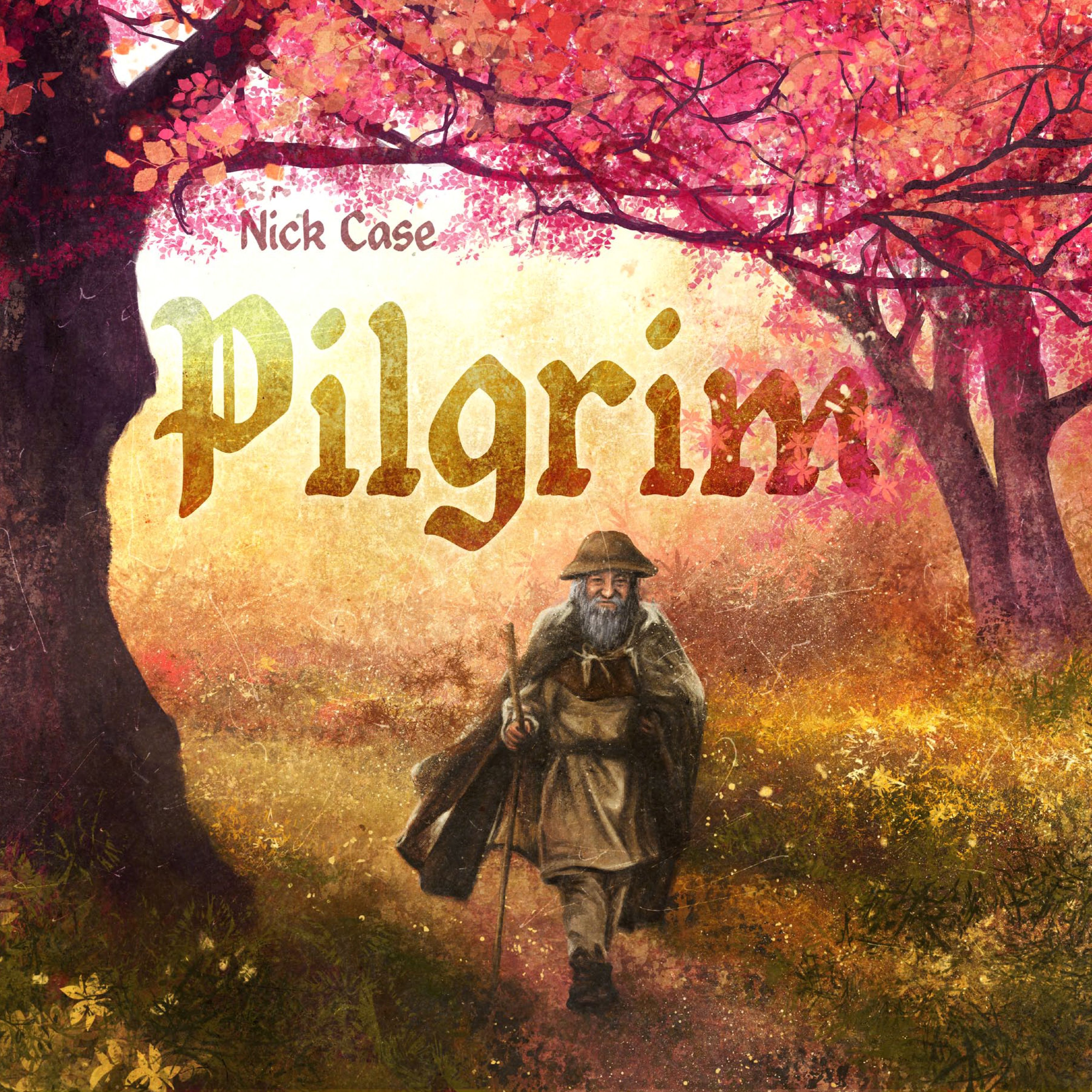
Pilgrim
A-Muse-Ment, Spielworxx · Board game · 2022
1–4 · best 4
Solo
60–150 min
Weight 3.6/5
7.4
rating
Ludopedia
7.2
rating
BGG
7.4
rating
Ludopedia
7.2
rating
BGG
Our Verdict
HIGHLY RECOMMENDED
If you love deep strategy games with a medieval‑religious flavor, Pilgrim will hook you instantly.
Highlights
- Engaging acolyte management
- Strategic route building
- Constant player interaction
Keep in mind
- Steep learning curve
- Long playtime (up to 150 min)
- No luck, pure strategy
Rules manual not indexed yet
Upload the PDF rulebook to ask questions about this game with AI.
About the game
What you do in a play session
Pilgrim puts each player in charge of a 14th‑century provincial abbey, with the goal of building the most prestigious pilgrimage network, keeping the religious community in order, and, of course, being more devout than the rivals. Every round starts with a mancala‑style move: you distribute your acolytes across eight duties (prayer, work, charity, etc.) and the capital, and the last pit where a token lands determines the action you may take that turn. This creates a worker‑allocation puzzle that never repeats, forcing you to balance how many acolytes you keep in each task while still meeting the abbey’s needs.
Simultaneously, the map board works like an 18xx game: you place tiles that develop trade routes generating income and pilgrimage trails that score points at game end. Each tile placed opens new opportunities but can also block opponents’ paths, making the race for space fierce. Common serfs must be ordained into acolytes, otherwise the abbey loses efficiency. The game runs 26 rounds, offers perfect information and zero randomness after setup – there are 1.6×10^53 possible starting configurations, ensuring huge replay value.
Player interaction is constant: you can hinder rival route building, contest the same duties, and even give strategic alms that affect final scoring. In the end, the player who has amassed the most devotion, revenue and pilgrimage trails becomes the next cardinal and wins. Pilgrim blends deep strategy, resource management, and a medieval‑religious theme that will satisfy both economic‑game fans and those who love an intense thematic experience.
Simultaneously, the map board works like an 18xx game: you place tiles that develop trade routes generating income and pilgrimage trails that score points at game end. Each tile placed opens new opportunities but can also block opponents’ paths, making the race for space fierce. Common serfs must be ordained into acolytes, otherwise the abbey loses efficiency. The game runs 26 rounds, offers perfect information and zero randomness after setup – there are 1.6×10^53 possible starting configurations, ensuring huge replay value.
Player interaction is constant: you can hinder rival route building, contest the same duties, and even give strategic alms that affect final scoring. In the end, the player who has amassed the most devotion, revenue and pilgrimage trails becomes the next cardinal and wins. Pilgrim blends deep strategy, resource management, and a medieval‑religious theme that will satisfy both economic‑game fans and those who love an intense thematic experience.
Gallery
Box and component photos
Tap any photo to open fullscreen. Photos submitted by the community or publisher.
Rules videos
Learn by watching before you open the box


Best player count
BGG community vote
1
REC
2
REC
3
REC
4
BEST
Soundtrack
Ambience suggested by Melodice
Loading playlist...
Where to Buy
Prices monitored daily
Finding best prices...
Prices unavailable at this time.
Price history — last 6 months (lowest new offer)
Alert enabled!
Join the BoardGamesBot deals group
Get the best board game deals every day — without message spam.
Join the WhatsApp groupGame details
Mechanics, categories, families and credits
Mechanics
Categories
Families
Publisher
A-Muse-Ment, Spielworxx
Designer
Nick Case
Artist
Harald Lieske
Community
Data from BoardGameGeek
Frequently Asked Questions
Quick answers before you buy
How many players can play?
1 to 4 players, with a solo mode included.
How long does a game take?
Typically 60–150 minutes, depending on player count and familiarity with the rules.
What is the complexity level?
BGG weight 3.6 – medium to advanced, suited for players experienced with worker placement and tile‑laying games.
What components are included?
Map board, 8 duty boards, acolyte tokens, serf pieces, route tiles, resource markers, bonus cards, and a rulebook.
Who is the game best for?
Fans of economic, medieval‑religious, and pure‑strategy games who enjoy deep tactical decisions.
Other Games You'll Like
Based on mechanics and theme