100.0
rating
Ludopedia
8.2
rating
BGG
Our Verdict
RECOMMENDED
Perfect for those who love historical Euros with resource management and the tension of climbing the social ladder. The Brazilian theme is masterfully handled.
Highlights
- Immersive Brazilian historical theme
- Clever dice-based worker placement
- Challenging income and wage management
- Great thematic components
Keep in mind
- Moderate learning curve
- Resource management can be punishing
Rules manual not indexed yet
Upload the PDF rulebook to ask questions about this game with AI.
About the game
What you do in a play session
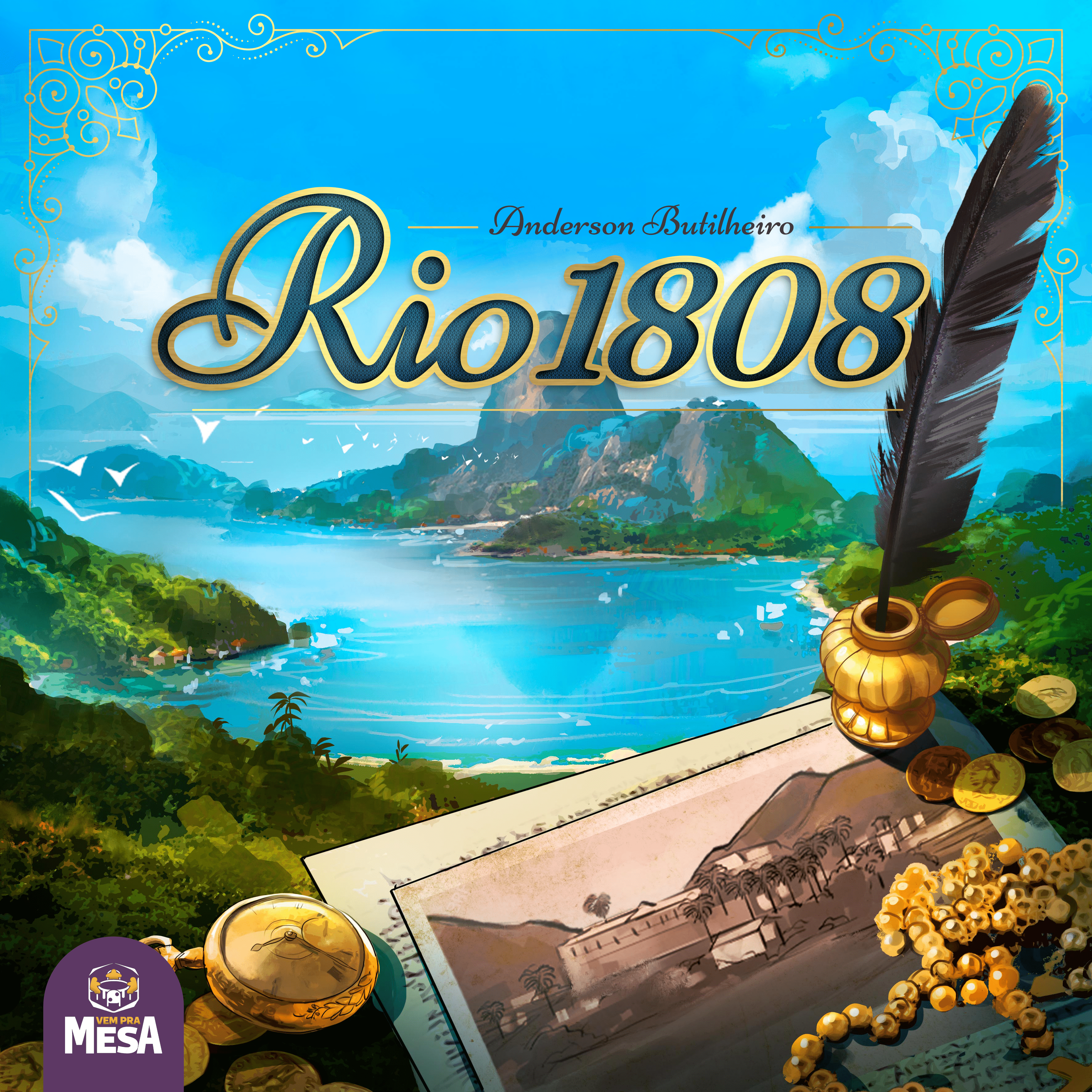
Imagine yourself as the head of one of the most influential families in Rio de Janeiro in 1808. The scene is chaotic: Napoleon is conquering Europe, and to save the crown, Prince Regent D. João VI relocates the entire Portuguese court to Brazil. Suddenly, Rio becomes the center of the empire, and that's where the competition begins. Your goal? Gain the favor of the royalty and secure a coveted title of nobility.
To reach the top, you'll need strategy and cunning. The game employs a worker placement mechanic using dice. You dispatch your employees to navigate the city, purchase commodities, and fulfill the wishes of the royal family. But there's a catch: you can train your workers to make them more efficient, but the more skilled they are, the higher the wages they'll demand at the end of the day. It's a constant struggle between productivity and payroll costs.
Beyond managing your workforce, you must invest in the city's infrastructure, helping to build historical landmarks like the Botanical Garden and the National Library. The more influence you hold with the court, the higher your income, but beware: fame breeds jealousy. As you climb the social ladder, the nobles become more demanding, and the gifts required to please them become more expensive. Can you balance resource management, commodity speculation, and diplomacy with the church and the common people?
Rio 1808 is a dense Eurogame that blends influence control and economic management, immersing players in a pivotal moment of Brazilian history. Victory isn't just about money, but about who can best navigate the court's intrigues and accumulate the most total influence by the end of the game. Get ready to negotiate, plan, and perhaps use a bit of cunning to ensure your noble title.
To reach the top, you'll need strategy and cunning. The game employs a worker placement mechanic using dice. You dispatch your employees to navigate the city, purchase commodities, and fulfill the wishes of the royal family. But there's a catch: you can train your workers to make them more efficient, but the more skilled they are, the higher the wages they'll demand at the end of the day. It's a constant struggle between productivity and payroll costs.
Beyond managing your workforce, you must invest in the city's infrastructure, helping to build historical landmarks like the Botanical Garden and the National Library. The more influence you hold with the court, the higher your income, but beware: fame breeds jealousy. As you climb the social ladder, the nobles become more demanding, and the gifts required to please them become more expensive. Can you balance resource management, commodity speculation, and diplomacy with the church and the common people?
Rio 1808 is a dense Eurogame that blends influence control and economic management, immersing players in a pivotal moment of Brazilian history. Victory isn't just about money, but about who can best navigate the court's intrigues and accumulate the most total influence by the end of the game. Get ready to negotiate, plan, and perhaps use a bit of cunning to ensure your noble title.
Gallery
Box and component photos
Tap any photo to open fullscreen. Photos submitted by the community or publisher.
Best player count
BGG community vote
1
BEST
2
REC
3
BEST
4
BEST
Soundtrack
Ambience suggested by Melodice
Loading playlist...
Where to Buy
Prices monitored daily
Finding best prices...
Prices unavailable at this time.
Price history — last 6 months (lowest new offer)
Alert enabled!
Join the BoardGamesBot deals group
Get the best board game deals every day — without message spam.
Join the WhatsApp groupGame details
Mechanics, categories, families and credits
Mechanics
Categories
Families
Publisher
Vem Pra Mesa Jogos
Designer
Anderson Butilheiro
Artist
Ayu Marques, Tiago Sousa
Community
Data from BoardGameGeek
72owners
71wishlist
8want to play
Frequently Asked Questions
Quick answers before you buy
Is the game too complex? What is the difficulty level?
It has a 3/5 weight on BGG, meaning it's a medium/expert level game. Not for absolute beginners, but Eurogame veterans will feel at home quickly.
How long does a game last?
Expect to spend between 60 and 120 minutes, depending on the number of players and the group's familiarity with the rules.
Does it work well in solo mode?
Yes, the game supports 1 to 4 players, allowing you to test your strategies even on your own.
What makes the worker mechanic different?
The use of dice and the ability to 'train' your workers. You improve their efficiency, but this increases their maintenance cost (wages), creating a strategic balance.
Who would I recommend this game to?
Anyone who enjoys economic games, historical themes, and area control/influence mechanics.
Other Games You'll Like
Based on mechanics and theme