Orloj: The Prague Astronomical Clock — Prices
Perro Loko Games, Bohemian Games, Devir · Board game · 2025What do you want to do now
Ask anything about Orloj: The Prague Astronomical Clock: rules, setup, components, complexity, price, or whether it fits your group.
If you enjoy deep strategy euros with a rich historical theme, Orloj is a sure bet for your game nights.
- Rondel and worker placement
- Engaging historical theme
- Tech tree progression
- High replayability
- Complex strategic decisions
- Can be long for some
- Initial learning curve
- Requires long-term planning
About the game
What you do in a play session
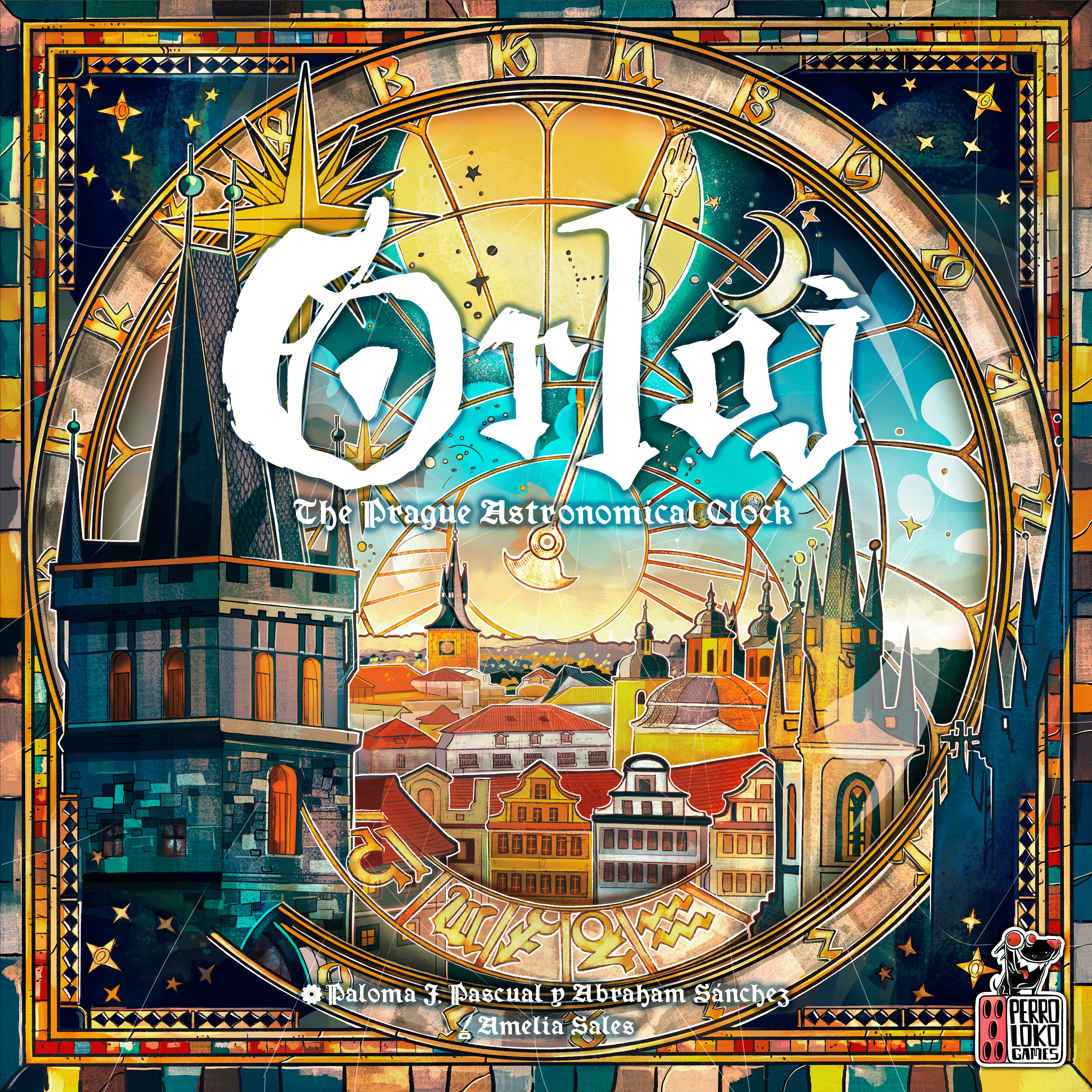
In this 1 to 4 player game, with sessions lasting between 60 and 120 minutes, every decision counts. Each turn, you'll allocate your workers on the clock's dial, a rondel mechanic that offers strategic choices on which actions to perform and which resources to collect. Your main goal is to assemble gears, spheres, and zodiac signs, bringing you closer to the completion of this masterpiece that will transcend generations. But that's not all! You'll also have the chance to hire assistants, construct the apostles' carillon – an iconic element of the Orloj – and enhance your skills across three distinct knowledge tracks, which function like tech trees, unlocking new possibilities and efficiencies.
The game continues until the Orloj calendar is complete. In the end, the master builder with the most harmony points will be crowned the winner. With variable setup each game, Orloj ensures high replayability, inviting you to explore different strategies and master the secrets of building this historical monument. A true gem for those who appreciate strategic games with rich themes and well-integrated mechanics.
Expansions
Published additional content
Gallery
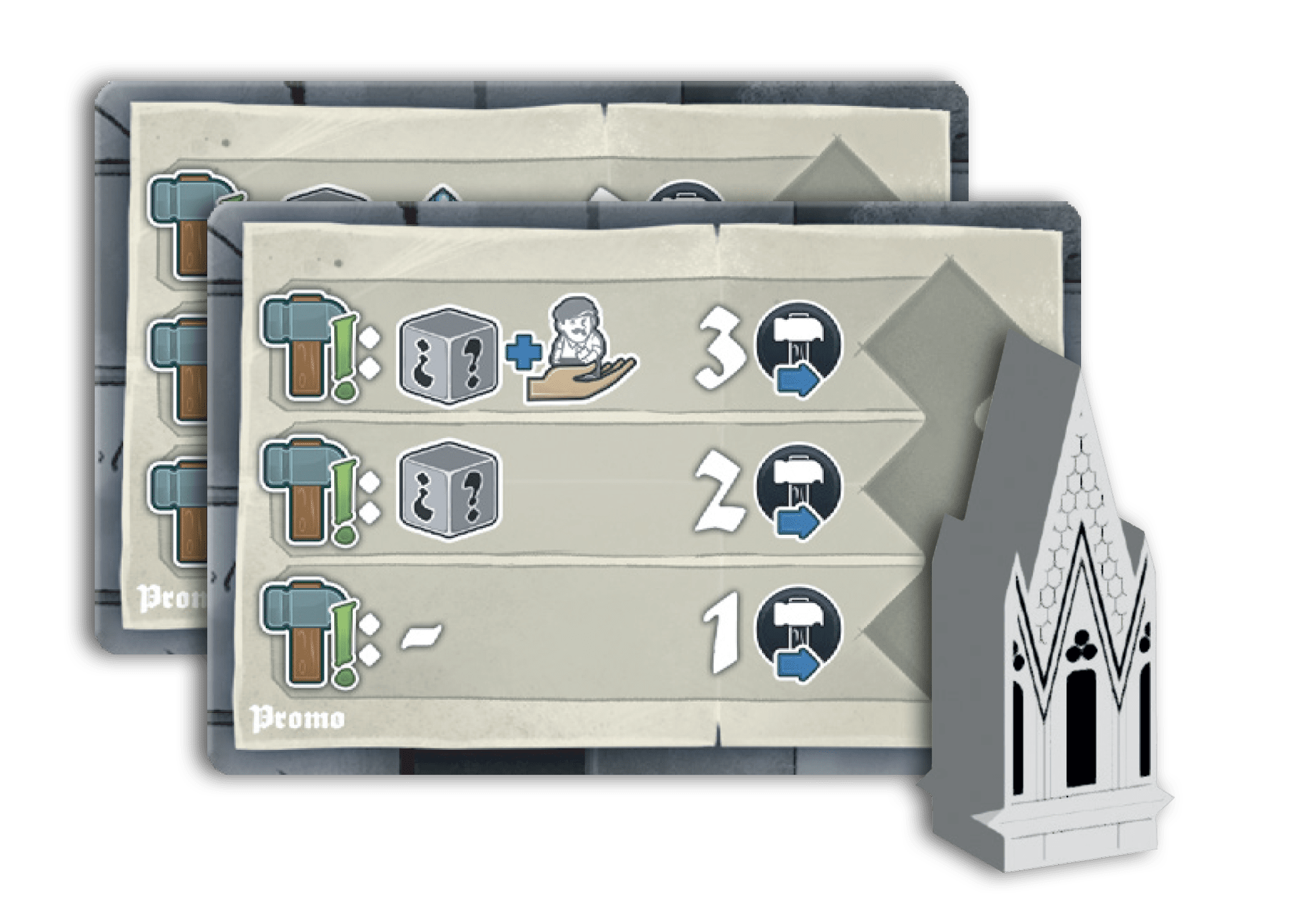
Box and component photos
Tap any photo to open fullscreen. Photos submitted by the community or publisher.
Rules videos
Learn by watching before you open the box


Rules manual
Official PDF file
Best player count
BGG community vote
Soundtrack
Ambience suggested by Melodice
Where to Buy
Prices monitored daily
Price history — last 6 months (lowest new offer)
Alert enabled!
Join the BoardGamesBot deals group
Get the best board game deals every day — without message spam.
Join the WhatsApp groupGame details
Mechanics, categories, families and credits
Mechanics
Categories
Families
Community
Data from BoardGameGeek
Frequently Asked Questions
Quick answers before you buy
What is the average playtime for Orloj?
How many players can play?
What is the complexity level of the game?
Are the components of good quality?
Does the game have high replayability?
Is this a game for beginners?
What is the main objective of the game?
Other Games You'll Like
Based on mechanics and theme