Porta Nigra
eggertspiele, Gigamic, Pegasus Spiele · Board game · 2015
2–4 · best 3
75–120 min
Weight 3.0/5
Buy · from US$ 42.13
8.3
rating
Ludopedia
7.2
rating
BGG
Our Verdict
RECOMMENDED
If you love building ancient cities and 3D components, Porta Nigra will hook you from the first play.
Highlights
- Stunning 3D components
- Deep movement strategy
- Well‑blended mechanics
Keep in mind
- Moderate learning curve
- Playtime can run long
Rules manual not indexed yet
Upload the PDF rulebook to ask questions about this game with AI.
About the game
What you do in a play session
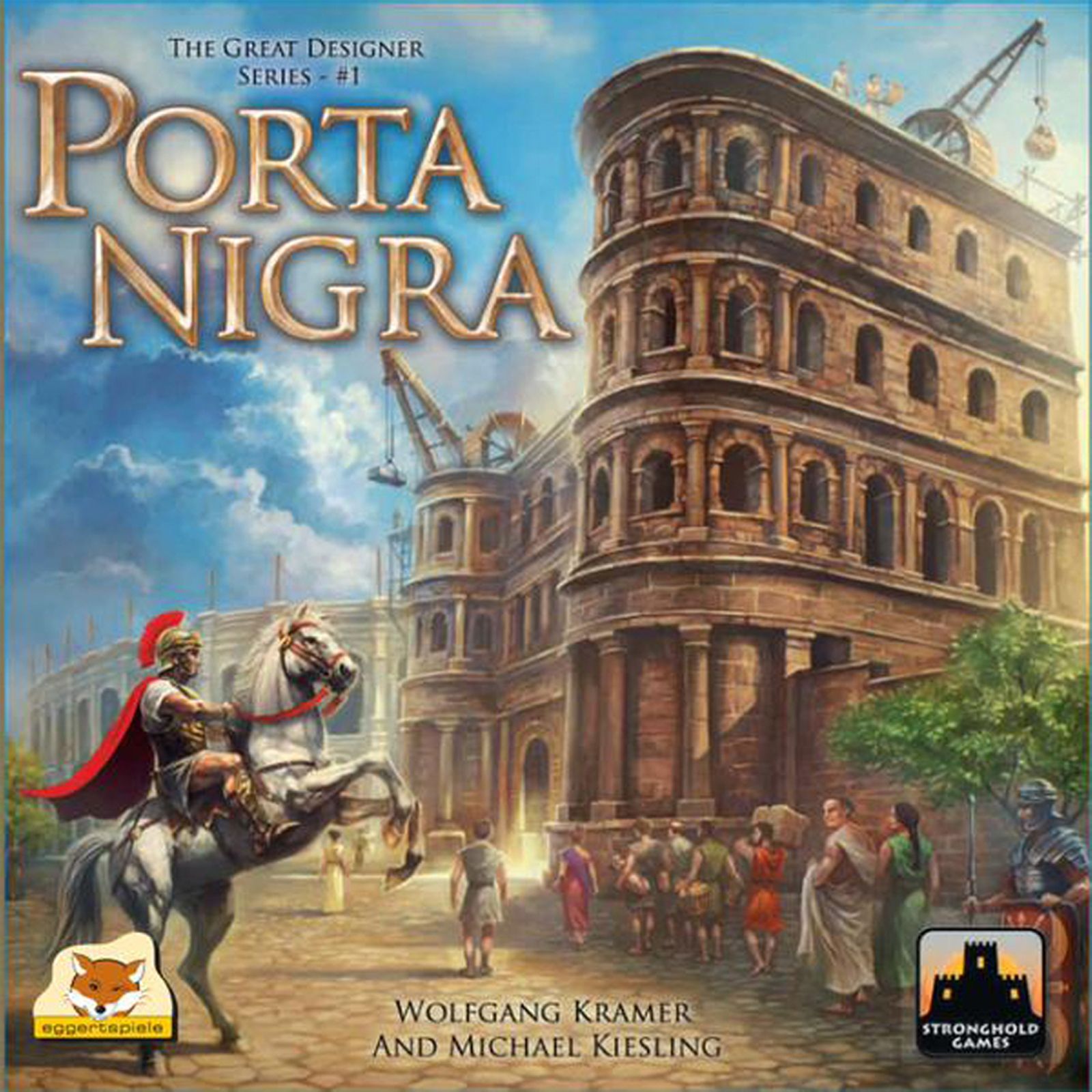
Porta Nigra transports players to Augusta Treverorum, the largest Roman city north of the Alps at the end of the Empire. Each player takes on the role of a master builder who, moving around a circular track, can purchase or erect parts of the famed Roman gate. Moving the master is expensive, so the strategy revolves around wisely choosing where to spend your steps. Available actions come from a personal deck: cards reveal options to build, buy resources, or move, and the number of actions you can take depends on your position on the rondel, a wheel that determines which actions cost fewer or more movement points.
Buildings are represented by 3D pieces that snap into various city sectors, creating an impressive Roman architectural tableau. Scoring hinges on controlling key areas, collecting specific sets of pieces, and securing majority influence in strategic zones, employing the Area Majority/Influence and Set Collection mechanics. The game blends Area Movement, Open Drafting, and the classic Rondel, demanding careful planning and a keen eye on the cost‑benefit of each relocation.
For 2‑4 players, games run 75‑120 minutes and carry a moderate complexity (weight 2.99/5). The visual components shine: the stone miniatures of the Porta Nigra bring the board to life, while the historical theme creates deep immersion. If you enjoy city‑building games, ancient settings, and strategic decisions that balance movement and construction, Porta Nigra delivers a rich, tactile experience worth exploring.
Buildings are represented by 3D pieces that snap into various city sectors, creating an impressive Roman architectural tableau. Scoring hinges on controlling key areas, collecting specific sets of pieces, and securing majority influence in strategic zones, employing the Area Majority/Influence and Set Collection mechanics. The game blends Area Movement, Open Drafting, and the classic Rondel, demanding careful planning and a keen eye on the cost‑benefit of each relocation.
For 2‑4 players, games run 75‑120 minutes and carry a moderate complexity (weight 2.99/5). The visual components shine: the stone miniatures of the Porta Nigra bring the board to life, while the historical theme creates deep immersion. If you enjoy city‑building games, ancient settings, and strategic decisions that balance movement and construction, Porta Nigra delivers a rich, tactile experience worth exploring.
Gallery
Box and component photos
Tap any photo to open fullscreen. Photos submitted by the community or publisher.
Rules videos
Learn by watching before you open the box


Best player count
BGG community vote
2
REC
3
BEST
4
REC
Soundtrack
Ambience suggested by Melodice
Loading playlist...
Where to Buy
Prices monitored daily
Finding best prices...
Prices unavailable at this time.
Price history — last 6 months (lowest new offer)
As an Amazon Associate I earn from qualifying purchases. Prices and availability subject to change.
Alert enabled!
Join the BoardGamesBot deals group
Get the best board game deals every day — without message spam.
Join the WhatsApp groupGame details
Mechanics, categories, families and credits
Mechanics
Categories
Families
Publisher
eggertspiele, Gigamic, Pegasus Spiele, Stronghold Games
Designer
Michael Kiesling, Wolfgang Kramer
Artist
Michael Menzel
Community
Data from BoardGameGeek
4,391owners
554wishlist
102want to play
Frequently Asked Questions
Quick answers before you buy
How many players can play?
2 to 4 players.
What is the typical playing time?
Between 75 and 120 minutes, depending on player count and familiarity.
How complex is the game?
Weight 2.99/5 – moderate, suitable for players with some strategic board‑game experience.
Are the 3D components hard to assemble?
No, the pieces fit together easily and the rulebook provides clear assembly instructions.
Do I need prior knowledge of Roman history?
Not required, though history buffs will enjoy the thematic details even more.
Is there a lot of luck involved?
The game is largely driven by planning and resource management, with minimal randomness.
Are there expansions or variants?
Currently there are no official expansions released.
Other Games You'll Like
Based on mechanics and theme