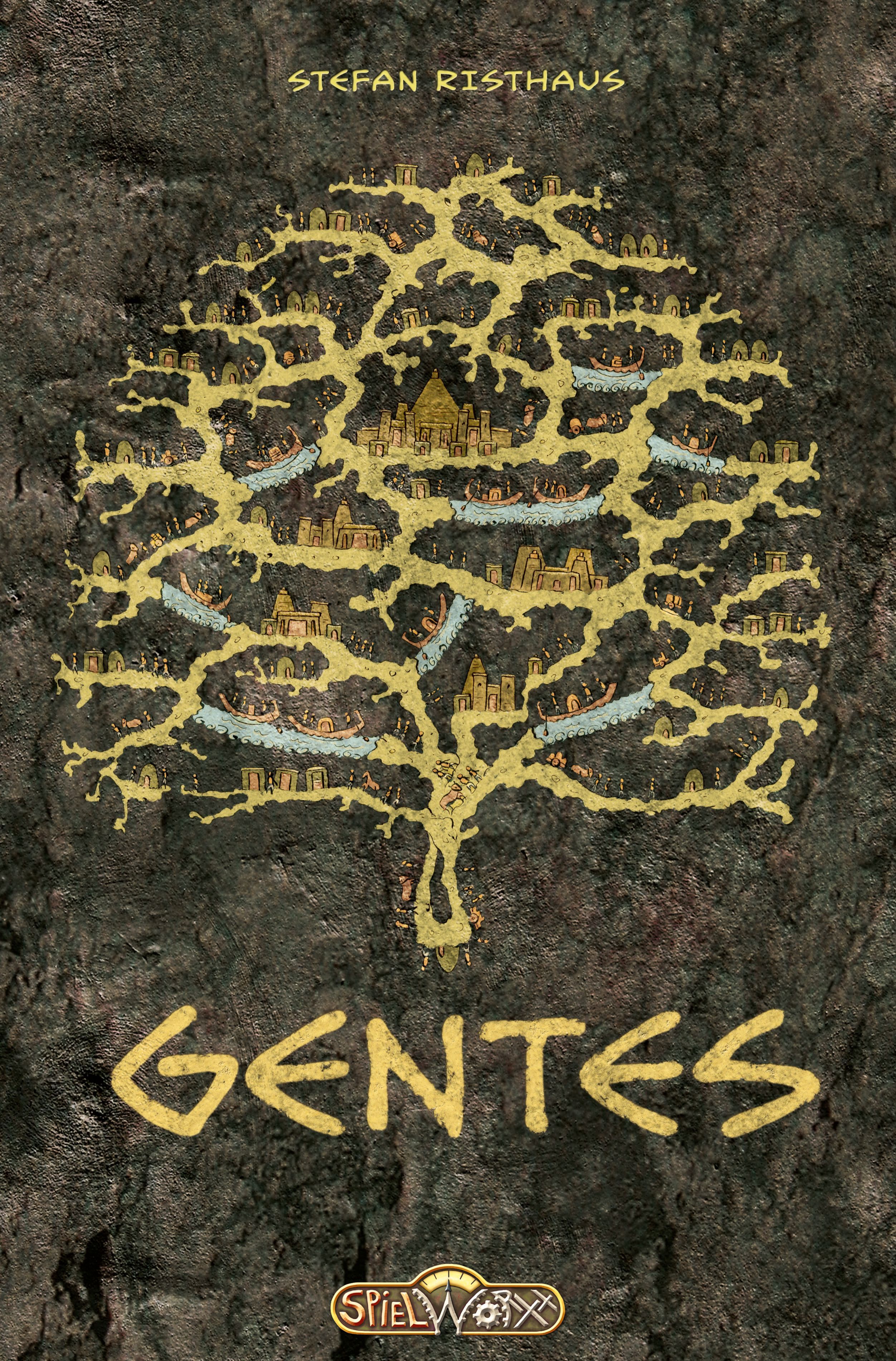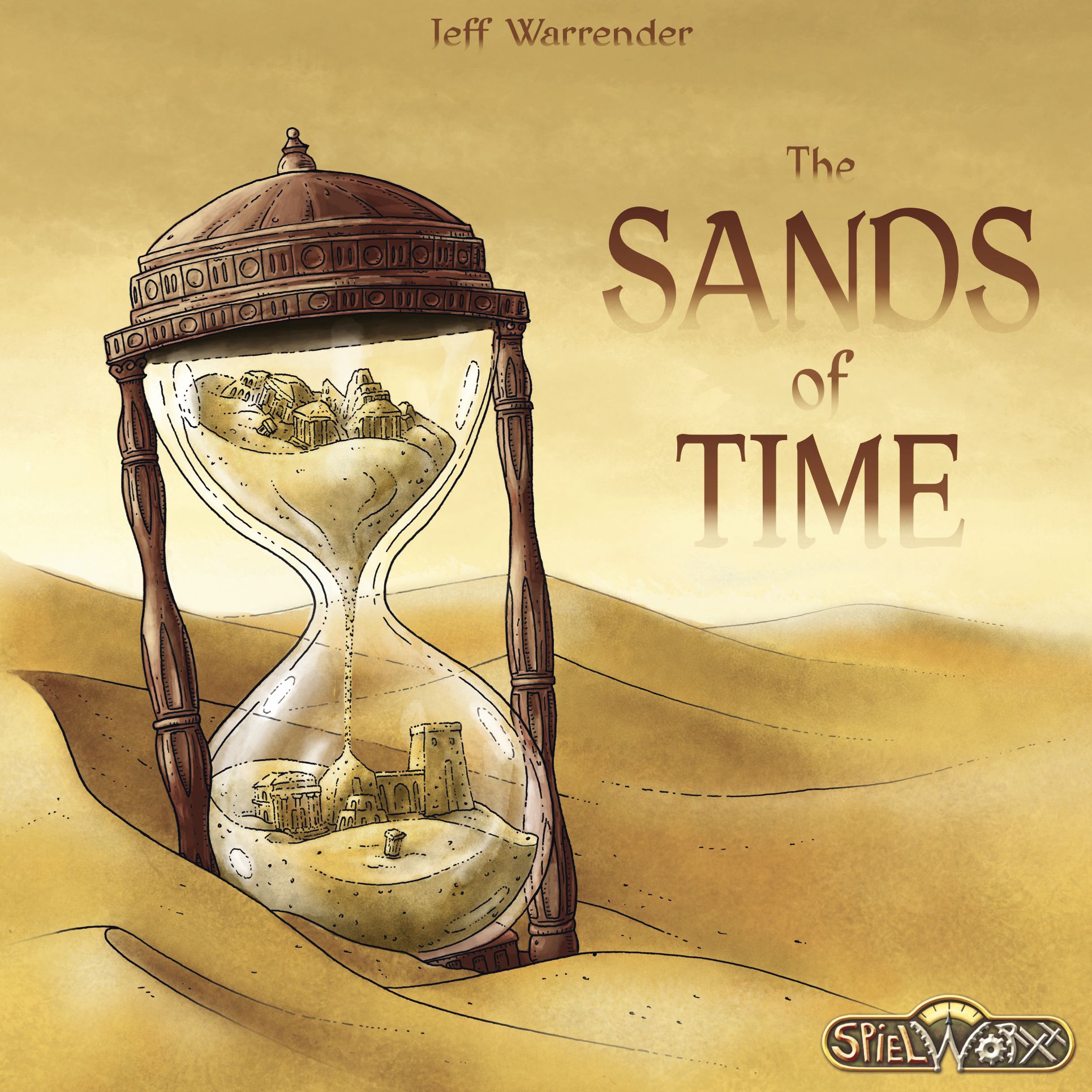
The Sands of Time
Spielworxx · Board game · 2018
2–5 · best 4
120–180 min
Weight 4.2/5
Buy · from US$ 79.19
9.0
rating
Ludopedia
6.6
rating
BGG
Our Verdict
HIGHLY RECOMMENDED
Fans of long‑term strategy and subtle bluffing will love this game, with resource management as a standout feature.
Highlights
- Thoughtful resource management
- Engaging bluffing and betting
- Strategic network building
- Deep tech tracks
Keep in mind
- Steep learning curve
- Long playtime
- Constant focus required
Rules manual not indexed yet
Upload the PDF rulebook to ask questions about this game with AI.
About the game
What you do in a play session
The Sands of Time is a civilization-building game set in classical antiquity, featuring a board inspired by a Roman-era map. Each player commands an empire, striving to leave a lasting legacy while expanding territory, advancing technology, and keeping the populace content. At the start of each turn, you pick two action cards that represent edicts you issue to your people—build, innovate, migrate, conquer, reform, create trade routes, demand tribute, or record chronicles. These cards are used simultaneously, so you and your opponents reveal your choices at the same time, creating tension and bluffing opportunities. Resources are limited; you must pay with food or gold, and costs rise as the empire grows or unrest climbs. Managing unrest is crucial: overcrowded territories, reusing cards, or over‑pressuring the populace raise discontent, leading to revolts and resource loss. To score, you record chronicles of achievements. Each chronicle requires a matching “heritage” level—for example, to record a great cultural work, your empire must have cultural reputation. At game end, chronicles, end‑game bonuses, and other accomplishments add points. The game blends hand management, betting and bluffing, dice rolling, network building, and tech trees for a 120‑180 minute experience that demands long‑term planning, subtle competition, and risk decisions. If you enjoy games that require strategic planning, silent competition, and careful diplomacy, The Sands of Time will hook you. The learning curve can be a bit steep, but the strategic payoff makes it worthwhile.
Gallery
Box and component photos
Tap any photo to open fullscreen. Photos submitted by the community or publisher.
Best player count
BGG community vote
2
OK
3
REC
4
BEST
5
BEST
Soundtrack
Ambience suggested by Melodice
Loading playlist...
Where to Buy
Prices monitored daily
Finding best prices...
Prices unavailable at this time.
Price history — last 6 months (lowest new offer)
As an Amazon Associate I earn from qualifying purchases. Prices and availability subject to change.
Alert enabled!
Join the BoardGamesBot deals group
Get the best board game deals every day — without message spam.
Join the WhatsApp groupGame details
Mechanics, categories, families and credits
Mechanics
Categories
Publisher
Spielworxx
Designer
Jeff Warrender
Artist
Harald Lieske
Community
Data from BoardGameGeek
470owners
169wishlist
17want to play
Frequently Asked Questions
Quick answers before you buy
How long does a typical game last?
Between 120 and 180 minutes, depending on player experience and chosen complexity.
What is the ideal player count?
2 to 5 players, though 3 to 4 is the most balanced.
How complex is the game?
It has a moderate to steep learning curve, with many interlocking mechanics that demand constant focus.
What components does the game include?
Action cards, chronicle cards, dice, resource tokens, territory pieces, and a detailed board with routes and territories.
Who is the game recommended for?
Those who enjoy civilization games, long‑term strategy, bluffing, and resource management.
Does the game have turn order?
Yes, the turn order advances progressively each round.
Is there any diplomacy mechanic?
Interaction is mainly through simultaneous actions and resource competition; there is no formal diplomacy.
Other Games You'll Like
Based on mechanics and theme