Mus
(Public Domain), Heraclio Fournier, King Cards · Board game · 1745
4 · best 4
10 min
Weight 2.3/5
Buy
—
rating
Ludopedia
8.0
rating
BGG
Our Verdict
RECOMMENDED
Ideal for bluff lovers and team players, Mus is a centuries-old classic that thrives on pure strategic fun.
Highlights
- Intense bluffing and betting
- Fast and dynamic gameplay
- Great for team play
Keep in mind
- Hard to learn by just watching
- Minimal physical card interaction
Rules manual not indexed yet
Upload the PDF rulebook to ask questions about this game with AI.
About the game
What you do in a play session
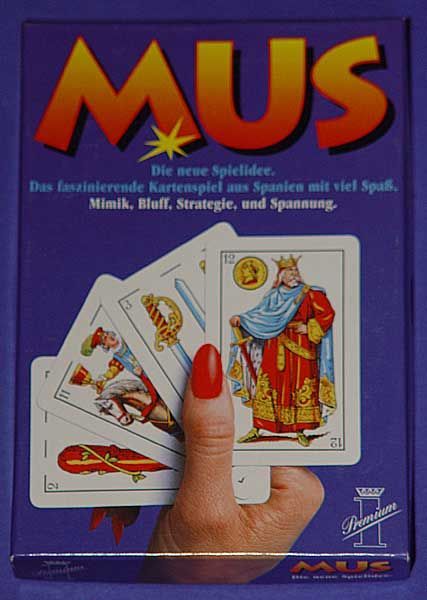
Mus is a classic Spanish card game born in the Basque Country, with historical records dating back to 1745. Played in teams of two, it uses a 40-card Spanish deck (without eights, nines, or jokers). Matches are full of bluffing, betting, and verbal strategy, as cards are rarely shown during play. Each round features four types of bets: Grande (highest card combination), Pequeña (lowest combination), Pares (best pairs), and Juego (cards totaling 31 or more). The goal is to score points until reaching the agreed total (usually 30). The first team to win three 'vacas' (matches of three games each) wins. Mus is unique because almost everything happens through conversation — cards stay hidden until the end, making it more fun to play than to watch.
Gallery
Box and component photos
Tap any photo to open fullscreen. Photos submitted by the community or publisher.
Rules videos
Learn by watching before you open the box
In English

Best player count
BGG community vote
4
BEST
Soundtrack
Ambience suggested by Melodice
Loading playlist...
Where to Buy
Prices monitored daily
Finding best prices...
Prices unavailable at this time.
Price history — last 6 months (lowest new offer)
Alert enabled!
Join the BoardGamesBot deals group
Get the best board game deals every day — without message spam.
Join the WhatsApp groupGame details
Mechanics, categories, families and credits
Mechanics
Categories
Families
Publisher
(Public Domain), Heraclio Fournier, King Cards
Designer
(Uncredited)
Community
Data from BoardGameGeek
Frequently Asked Questions
Quick answers before you buy
How many players can play Mus?
Mus is strictly for 4 players, forming two teams.
How long does a game last?
Around 10 minutes per game, but a full match (best of three 'vacas') can take about 30 minutes.
Do I need a special deck?
Yes, a 40-card Spanish deck (without eights, nines, or jokers).
Is it hard to learn?
Rules are simple, but mastering bluffs and strategies takes time. Best learned from an experienced player.
Why is it called a 'cow'?
'Vaca' (cow) is the traditional term for a series of three games. Winning three vacas decides the match winner.
Other Games You'll Like
Based on mechanics and theme