—
rating
Ludopedia
5.5
rating
BGG
Our Verdict
RECOMMENDED
If you love fast card games with a dash of cunning, Snitch Trick will keep you on the edge.
Highlights
- Risky trick‑taking with bluff
- Fast and tense gameplay
- Card‑stashing mechanic adds depth
- Bluff and timing strategy
Keep in mind
- No follow‑suit rule adds twist
- Points can be lost if exposed
- Boss pressure can catch you
Rules manual not indexed yet
Upload the PDF rulebook to ask questions about this game with AI.
About the game
What you do in a play session
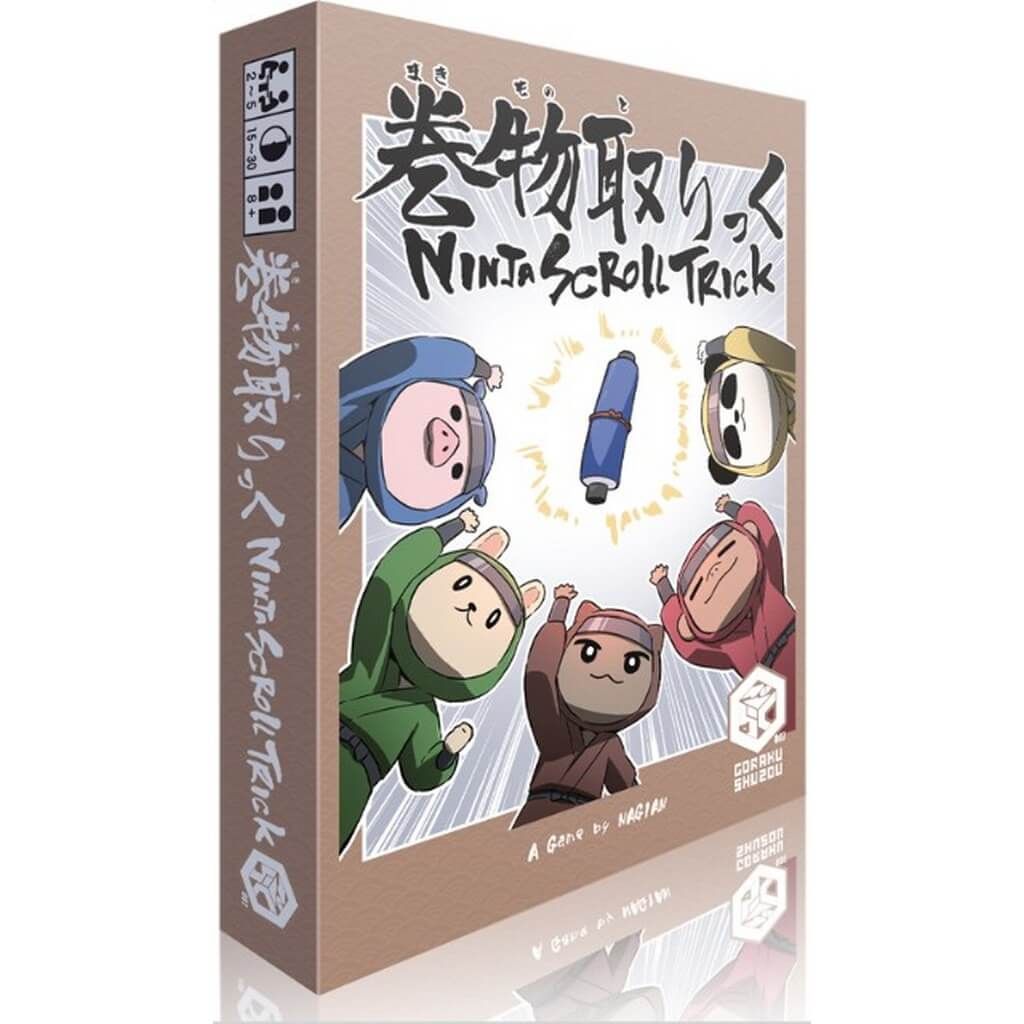
Snitch Trick is a card game that puts you in the shoes of a henchman trying to pocket stolen goods before the boss returns. Three to six players gather, each with a hat that can hide gold, silver, and diamonds. The goal? Win tricks without following suit, to bring the most valuable cards into your virtual pocket. But if you get carried away and leave a card exposed, the boss may arrive and you’ll walk away empty‑handed.
What makes the game stand out is the “no‑follow‑suit” rule. Instead of trying to win the round with the highest card of the same color, you must pick a different color, creating a race of wit and timing. When you capture a trick, you can decide whether to stash the card under your hat (where it scores points) or leave it open, which can cost you points at the end. Each round becomes a dilemma: accumulate more cards or hold onto the ones you already have, while tension mounts.
The trick‑taking mechanic lies at the heart of the game, but with a twist of risk. You need to read your opponents’ eyes, predict when the boss will show up, and decide if your hat can withstand the pressure. The game lasts 15 to 30 minutes, so the fun is quick and intense. It’s perfect for fans of fast card games with a dash of strategy, risk, and reward. If you enjoy “heist” games with a touch of bluff, Snitch Trick will keep you on the edge, trying not to be caught off guard.
Additionally, players can employ bluffing tactics, trying to fool teammates about the true nature of their cards. If someone spots the trick, they can try to divert attention, but that can cost more than it’s worth. The balance between risk and reward makes every match unique and memorable.
What makes the game stand out is the “no‑follow‑suit” rule. Instead of trying to win the round with the highest card of the same color, you must pick a different color, creating a race of wit and timing. When you capture a trick, you can decide whether to stash the card under your hat (where it scores points) or leave it open, which can cost you points at the end. Each round becomes a dilemma: accumulate more cards or hold onto the ones you already have, while tension mounts.
The trick‑taking mechanic lies at the heart of the game, but with a twist of risk. You need to read your opponents’ eyes, predict when the boss will show up, and decide if your hat can withstand the pressure. The game lasts 15 to 30 minutes, so the fun is quick and intense. It’s perfect for fans of fast card games with a dash of strategy, risk, and reward. If you enjoy “heist” games with a touch of bluff, Snitch Trick will keep you on the edge, trying not to be caught off guard.
Additionally, players can employ bluffing tactics, trying to fool teammates about the true nature of their cards. If someone spots the trick, they can try to divert attention, but that can cost more than it’s worth. The balance between risk and reward makes every match unique and memorable.
Gallery
Box and component photos
Tap any photo to open fullscreen. Photos submitted by the community or publisher.
Best player count
BGG community vote
3
OK
4
OK
5
OK
6
OK
Soundtrack
Ambience suggested by Melodice
Loading playlist...
Where to Buy
Prices monitored daily
Finding best prices...
Prices unavailable at this time.
Price history — last 6 months (lowest new offer)
As an Amazon Associate I earn from qualifying purchases. Prices and availability subject to change.
Alert enabled!
Join the BoardGamesBot deals group
Get the best board game deals every day — without message spam.
Join the WhatsApp groupGame details
Mechanics, categories, families and credits
Mechanics
Categories
Publisher
久遠堂 (Kuondou)
Designer
久遠 (Kuon)
Artist
久遠 (Kuon)
Community
Data from BoardGameGeek
26owners
1wishlist
1want to play
Frequently Asked Questions
Quick answers before you buy
How many players can play?
3 to 6 players.
What is the average playtime?
15 to 30 minutes.
What is the complexity level?
Medium; simple rules but requires strategic thinking.
What components are included?
A 52‑card deck, score tokens, and a hat for each player.
Who is the target audience?
Fans of fast card games with bluff and calculated risk.
How does the no‑follow‑suit rule work?
When playing, you cannot play a card of the same color as the leading card; you must choose a different color, adding strategic tension.
Other Games You'll Like
Based on mechanics and theme