8.1
rating
Ludopedia
7.2
rating
BGG
Our Verdict
If you enjoy strategy games with route building and a touch of mythology, Yamataï might be your next obsession! It's a game that rewards planning and action optimization.
Highlights
- Clever action selection
- Engaging route building
- Well-integrated theme
- Quality components
Keep in mind
- Initial learning curve
- Interaction can be indirect
RECOMMENDED
Rules manual not indexed yet
Upload the PDF rulebook to ask questions about this game with AI.
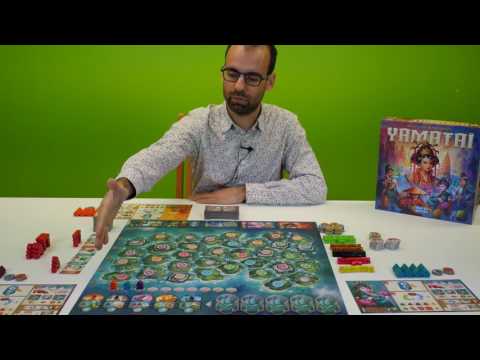
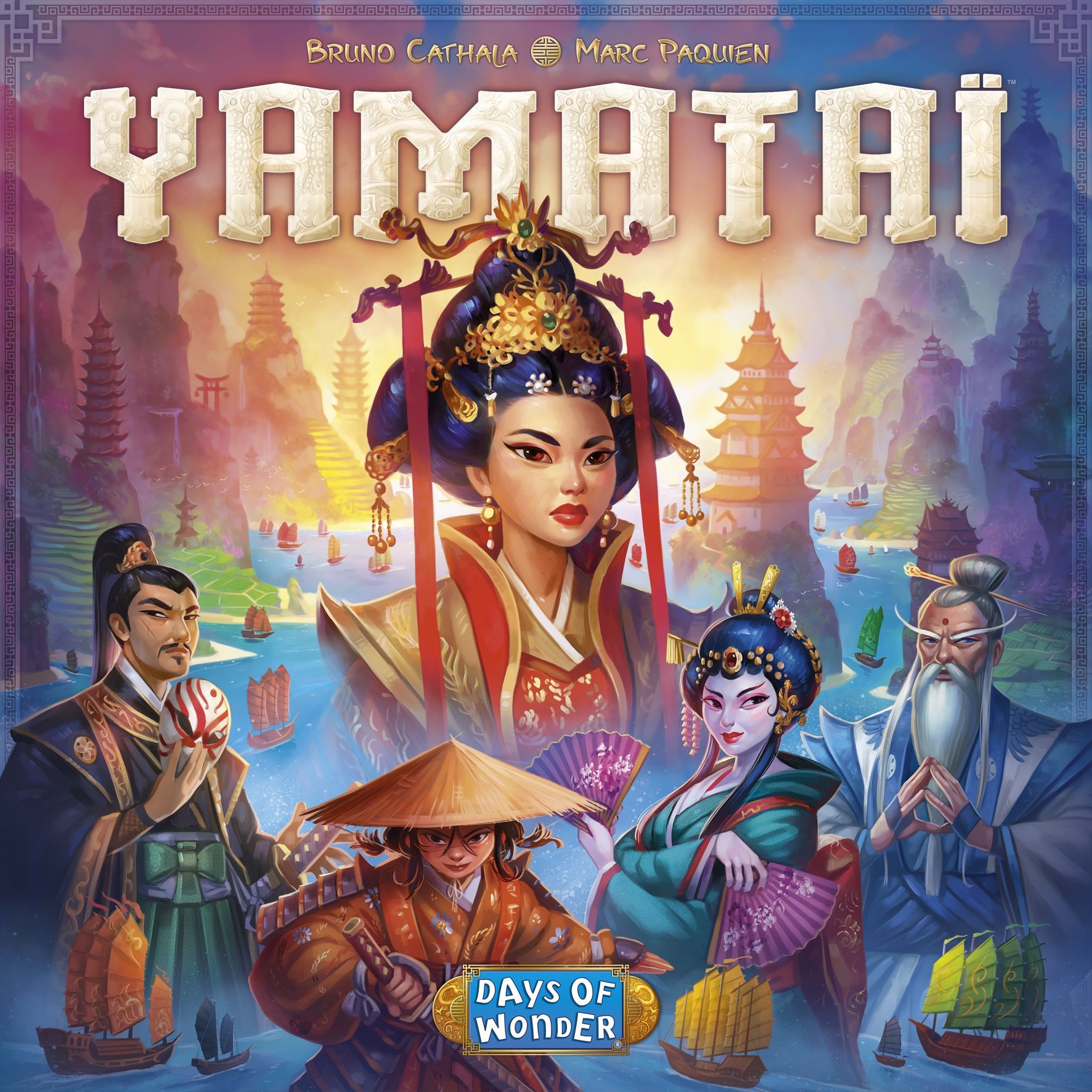
In Yamataï, you become a noble seeking glory and riches in the mystical land of Yamatai. The goal is clear: build imposing palaces, sacred Torii gates, and your own buildings to leave your mark on history. To achieve this, you'll navigate an action selection system where every choice matters. Ten numbered action tiles dictate the pace, each offering colored ships and often a special boosted action. When you choose a tile, you not only collect the indicated ships but also have the chance to trade in the ship market, buying or selling to optimize your fleet. Placing these ships on the board is crucial: you start from the five main entry points or connect to ships already positioned. Be careful not to create unwanted branches, and remember that the color of your first adjacent ship dictates the rule for the next ones. With your ship network growing, you can collect valuable resources from the lands you've reached or invest in construction. To build, ensure the ships around the chosen space match those on an available building tile. Building connected personal buildings yields extra cash, and unique specialists with special powers can be acquired with resources or pairs of ships. The game progresses in rounds, with turn order determined by the numbering of the chosen action tiles. When a game-ending condition is triggered – such as the depletion of ships of one color or the hiring of all specialists – the final round is played, and points are tallied. Whoever has the most points for buildings, specialists, and money in hand wins!
Yamataï is a strategy game with a touch of mythology and route building, where decision-making each turn is fundamental. Interaction occurs through the competition for action tiles and the race to expand your network across the board. The modularity of the board and the variety of specialists ensure that each game presents a new challenge. It's a game that rewards careful planning and adaptation to the opportunities that arise.
GALLERY
11 photos · from the community
Tap any photo to open fullscreen. Photos submitted by the community or publisher.
In English
2
BEST
3
REC
4
REC
Loading playlist...
Finding best prices...
Prices unavailable at this time.
Price history — last 6 months (lowest new offer)
Mechanics
Categories
Families
Publisher
Days of Wonder, Rebel Sp. z o.o.
Designer
Bruno Cathala, Marc Paquien
Artist
Jérémie Fleury
Is Yamataï a game for beginners or more experienced players?
Yamataï is considered a medium-weight game. It has accessible rules, but the strategic depth and multiple scoring paths might be better appreciated by those with some experience in modern board games.
Is the 40-80 minute playtime accurate? Can it take longer?
The 40-80 minute timeframe is a good estimate, especially with players who already know the rules. With new players or a 4-player game, it might lean towards the upper limit or slightly exceed it, but the game flow tends to be dynamic.
How does player interaction work in Yamataï?
Interaction is primarily indirect. Players compete for the most advantageous action tiles and the best board positions to build their routes and buildings. You might block an opponent from a space or take a tile they needed, but there's no direct conflict.
Does the modular board really make a difference in gameplay?
Yes! The modular board, with its different possible configurations, ensures that each game presents unique challenges. The positions of entry points and resources change, forcing you to adapt your strategies with each new playthrough.
What are the main paths to victory in Yamataï?
There are several ways to score points: building connected personal buildings, constructing the grand palaces and Torii gates, hiring specialists with unique abilities, and accumulating money. A good player usually combines several of these strategies.
Is the game heavily luck-dependent?
Luck plays a minor role, mainly in the order action tiles are revealed and the availability of certain resources. However, strategy, planning, and adapting to opponents' choices are much more crucial for victory.