Dive — Prices
Sit Down!, 2Tomatoes Games, Arclight Games · Board game · 2021
1–4 · best 4
Solo
20–30 min
Weight 1.4/5
Buy · from US$ 19.50
7.6
rating
Ludopedia
6.5
rating
BGG
Our Verdict
RECOMMENDED
Perfect for those who enjoy quick perception games with a 'should I risk it?' tension.
Highlights
- Innovative and tactile transparent cards
- Fast and dynamic gameplay
- Constant risk-reward tension
- Easy to explain and start
Keep in mind
- Luck can frustrate competitive players
- Visual reliance on card transparency
Rules manual not indexed yet
Upload the PDF rulebook to ask questions about this game with AI.
About the game
What you do in a play session
Imagine yourself on the remote island of Windbark, where diving is more than just a hobby—it's an ancestral tradition. During the summer solstice, a rite of passage takes place: whoever retrieves the sacred stone, thrown from a cliff's peak, becomes the village hero. The catch? The path to the depths is full of surprises and, most importantly, sharks that don't appreciate visitors.
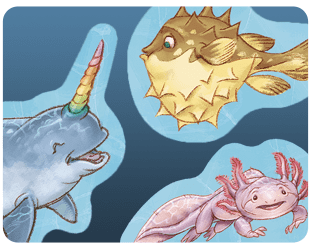
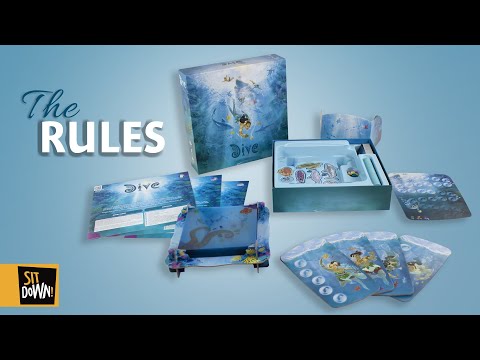
Dive is a game of perception and risk where the core mechanic revolves around transparent cards. You and your opponents peer into the 'ocean' deck, trying to decipher what lies at each depth level. Using your air tokens, you secretly program your dive. If you suspect a shark is at a certain depth, you place your token shark-side up. If you're right, you're safe! However, if you call a shark where there is none—or worse, ignore a real one—you're out for the round and lose all progress from that dive.
It's not all danger, though. Sea turtles and manta rays can give you that necessary boost to advance faster on the descent track. The game is fast-paced because actions are simultaneous, and the tension builds as you decide whether to risk diving one level deeper or stop to secure your progress. Once you reach space #16, the stakes rise, and any mistake can be fatal to your round. With solo rules to compete against the village chief and optional animal companions for one-time bonuses, Dive blends the tension of a 'push your luck' game with the satisfaction of having a keen eye for seeing through the layers of water.
Dive is a game of perception and risk where the core mechanic revolves around transparent cards. You and your opponents peer into the 'ocean' deck, trying to decipher what lies at each depth level. Using your air tokens, you secretly program your dive. If you suspect a shark is at a certain depth, you place your token shark-side up. If you're right, you're safe! However, if you call a shark where there is none—or worse, ignore a real one—you're out for the round and lose all progress from that dive.
It's not all danger, though. Sea turtles and manta rays can give you that necessary boost to advance faster on the descent track. The game is fast-paced because actions are simultaneous, and the tension builds as you decide whether to risk diving one level deeper or stop to secure your progress. Once you reach space #16, the stakes rise, and any mistake can be fatal to your round. With solo rules to compete against the village chief and optional animal companions for one-time bonuses, Dive blends the tension of a 'push your luck' game with the satisfaction of having a keen eye for seeing through the layers of water.
Expansions
Published additional content
Gallery
Box and component photos
Tap any photo to open fullscreen. Photos submitted by the community or publisher.
Rules videos
Learn by watching before you open the box




Best player count
BGG community vote
1
OK
2
REC
3
REC
4
BEST
Soundtrack
Ambience suggested by Melodice
Loading playlist...
Where to Buy
Prices monitored daily
Finding best prices...
Prices unavailable at this time.
Price history — last 6 months (lowest new offer)
Alert enabled!
Join the BoardGamesBot deals group
Get the best board game deals every day — without message spam.
Join the WhatsApp groupGame details
Mechanics, categories, families and credits
Mechanics
Categories
Families
Publisher
Sit Down!, 2Tomatoes Games, Arclight Games, Broadway Toys LTD, Galápagos Jogos, Kaissa Chess & Games, Korea Boardgames, Luma Imports, Pegasus Spiele
Designer
Anthony Perone, Romain Caterdjian
Artist
Alexandre Bonvalot
Community
Data from BoardGameGeek
3,208owners
553wishlist
46want to play
Frequently Asked Questions
Quick answers before you buy
Is the game hard to learn?
Not at all! The rules are straightforward and the token-based dive programming is intuitive. You'll be diving within 10 minutes.
How long does a game last?
It's quite fast, usually between 20 and 30 minutes, making it a great filler between larger games.
Can I play it solo?
Yes! The game includes solo rules where you compete against the village chief.
Are the transparent cards durable?
Yes, but like any transparent component, they require a bit of care to avoid scratches over time.
Is it suitable for children?
Absolutely. The sea animal theme and visual perception mechanics are usually a hit with kids and families.
What happens if I misjudge the shark's position?
If you make a mistake (either calling a shark where there is none or missing a real one), you are removed from the round and don't advance on the track.
Other Games You'll Like
Based on mechanics and theme