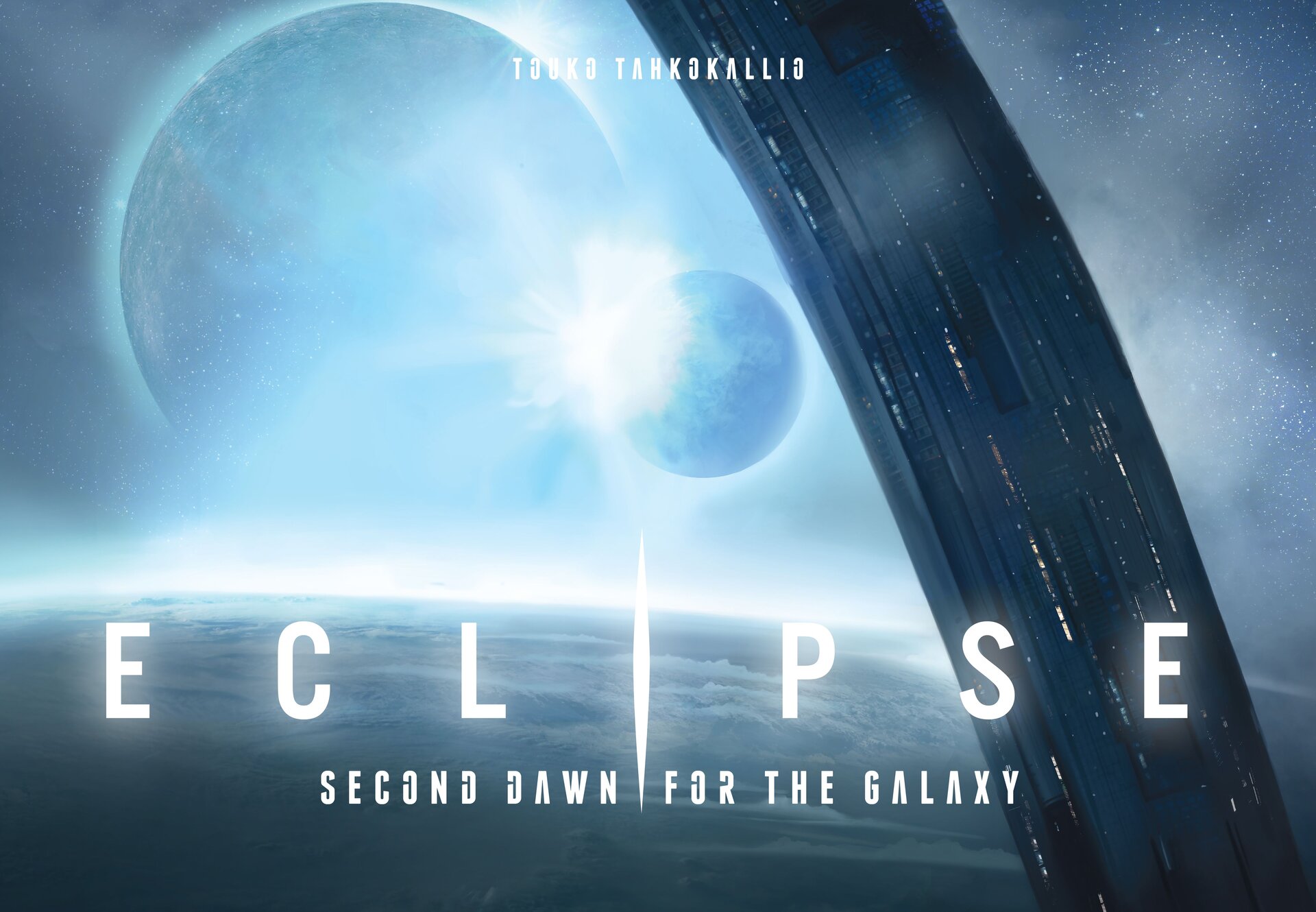
Eclipse: Second Dawn for the Galaxy
Lautapelit.fi, Arclight Games, CrowD Games · Board game · 2020What do you want to do now
Ask anything about Eclipse: Second Dawn for the Galaxy: rules, setup, components, complexity, price, or whether it fits your group.
Anyone who loves dense 4X space strategy with incredible replay value will fall in love. The variety of species and turn-based combat make every session feel fresh.
- Incredibly deep
- Multiple victory paths
- Beautiful miniatures
- High replayability
- Satisfying combat
- Long sessions for some
- Steep learning curve
- Downtime between turns
About the game
What you do in a play session
The beauty of the game is that there's no single path to victory. You can focus on research, territorial expansion, dirty diplomacy, or simply go all-out aggressive. The trick is understanding your species' strengths and weaknesses and playing to them while keeping an eye on what your opponents are scheming.
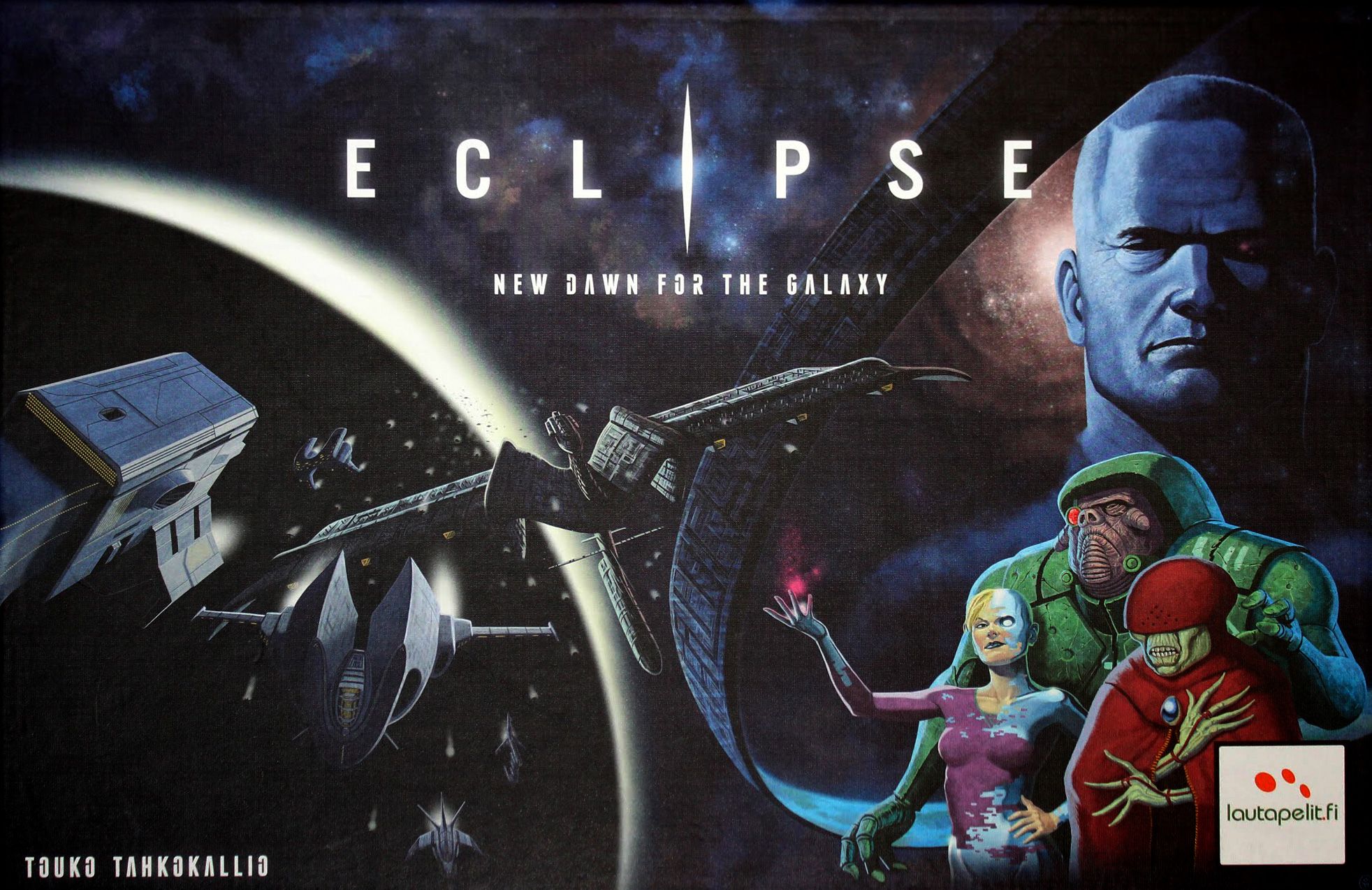
This second edition arrived with a fresh visual design (it's gorgeous, I won't lie), a full line of ship miniatures, new miniatures for ancients, GCDS, orbitals, custom combat dice, plastic inlays, and finely tuned gameplay. The heart of Eclipse remains: hexagons, area influence, regional impulses, and that strategic chaos that makes every session feel unique.
The game is dense, long, and demands focus. But for fans of deep 4X space strategy, it's become a modern classic. Grab a beer, sit with your trusted gaming crew, and get ready for a night of interstellar warfare.
Expansions
Published additional content
 Eclipse: Neue Gefahren
 Eclipse: Second Dawn for the Galaxy – Expanded Galaxy
 Eclipse: Second Dawn for the Galaxy – Galactic Events
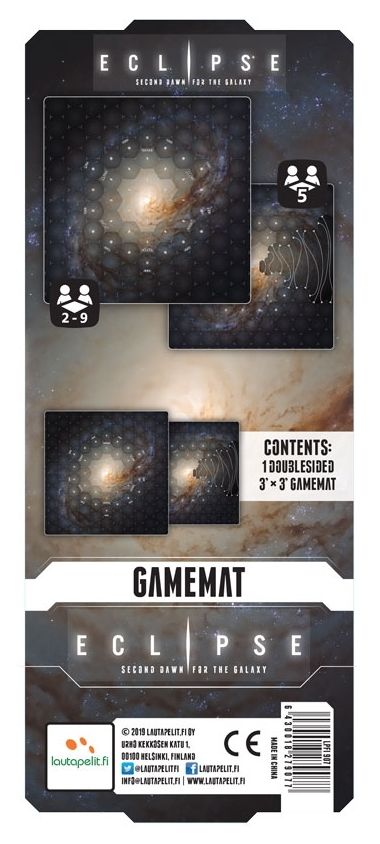 Eclipse: Second Dawn for the Galaxy – Gamemat
 Eclipse: Second Dawn for the Galaxy – Minor Species
 Eclipse: Second Dawn for the Galaxy – Outcasts
 Eclipse: Second Dawn for the Galaxy – Remnants of Worlds Afar
 Eclipse: Second Dawn for the Galaxy – Rift Cannon
 Eclipse: Second Dawn for the Galaxy – Seekers
 Eclipse: Second Dawn for the Galaxy – Supernova
 Eclipse: Second Dawn for the Galaxy – Turn Order Variant
 Eclipse: Second Dawn for the Galaxy – Warped Universe
 Eclipse: Second Dawn for the Galaxy – Worlds Afar Collection
Gallery
Box and component photos
Tap any photo to open fullscreen. Photos submitted by the community or publisher.
Rules videos
Learn by watching before you open the box
In English
-
 How To Play Eclipse In 33 Minutes
-
 Eclipse: Second Dawn for the Galaxy - Tutorial and Playthrough
-
 How To Play Eclipse (Part 2)
-
 How to Play Eclipse: Second Dawn in 25 Minutes
-
 How To Setup Eclipse
-
 Cardboard Academy - 5 Easy Strategy Tips for Eclipse: a New or 2nd Dawn for the Galaxy
-
 How To Play The Worlds Afar Expansions
-
 Eclipse Second Dawn: Learn to Play
-
 Eclipse | E0 Setup | Red Plays
-
 The Teach for "Eclipse: Second Dawn for the Galaxy"
-
 Eclipse Fit it All in the Box
-
 Let's play a turn of Eclipse Second Dawn for the Galaxy
Rules manual
Official PDF file
Best player count
BGG community vote
Soundtrack
Ambience suggested by Melodice
Where to Buy
Prices monitored daily
Price history — last 6 months (lowest new offer)
As an Amazon Associate I earn from qualifying purchases. Prices and availability subject to change.
Alert enabled!
Join the BoardGamesBot deals group
Get the best board game deals every day — without message spam.
Join the WhatsApp groupGame details
Mechanics, categories, families and credits
Mechanics
Categories
Families
Community
Data from BoardGameGeek
Frequently Asked Questions
Quick answers before you buy
Do I need the original Eclipse to play?
How many players does it work well with?
How long does a game last?
Is it hard to learn?
Are the components worth the investment?
Is there a digital version?
Other Games You'll Like
Based on mechanics and theme